
Signs Your Home Needs Immediate Rendering Repairs Today
Rendering plays a crucial role in protecting your home from weather, moisture and structural damage. Over time, however, even the best render can show signs of wear and tear. Ignoring these early indicators can lead to costly repairs, water intrusion and reduced structural integrity. If you want to keep your home looking great and performing at its best, it’s essential to recognise when rendering repairs are needed. Here are the top signs your home needs immediate rendering attention today.
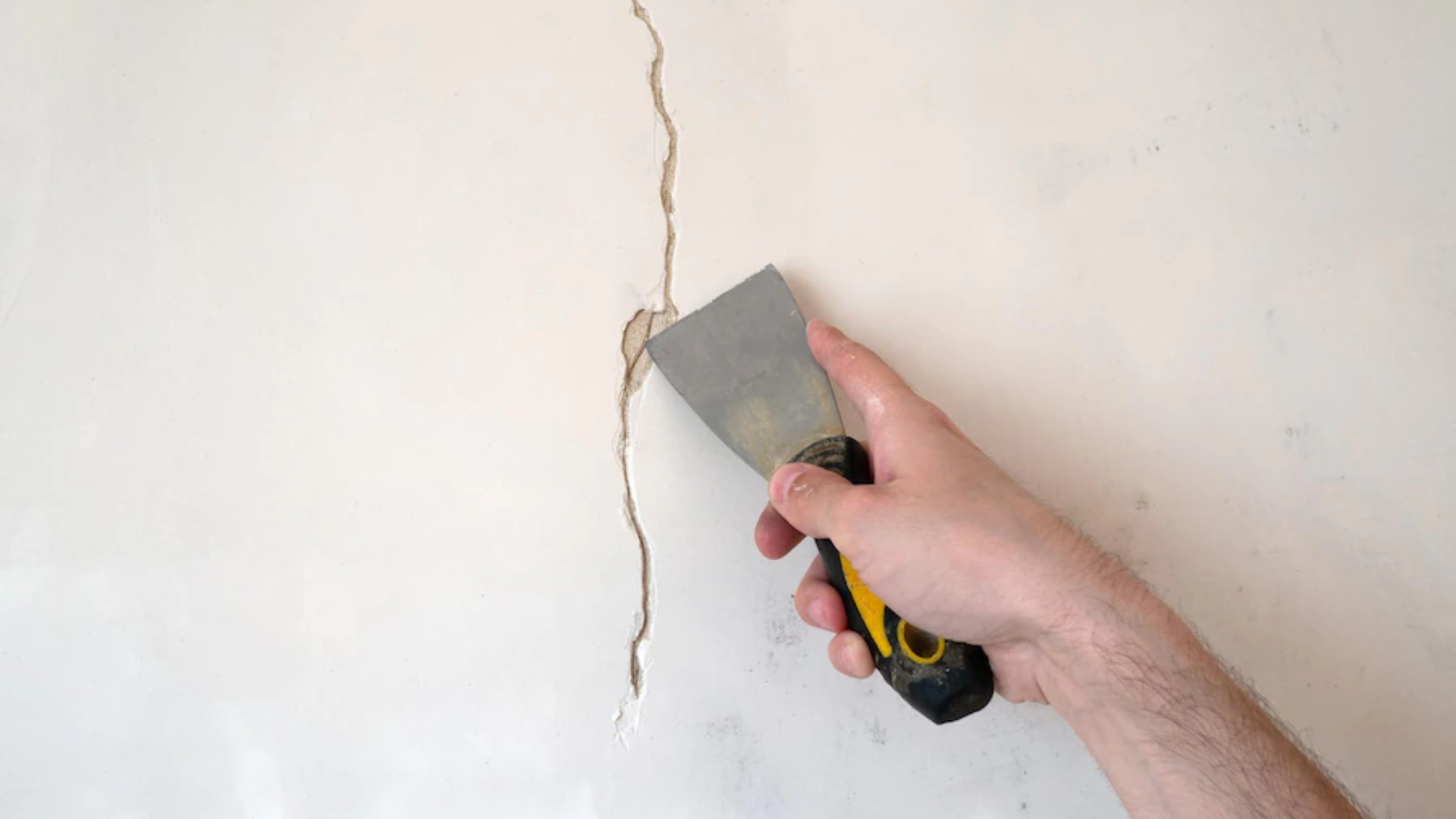
Visible Cracks on Rendered Walls
Cracks are one of the most obvious warning signs. While small hairline cracks may seem harmless, they can quickly grow and allow moisture to penetrate your walls. This can lead to mould, internal wall damage and weakened structural components.
Common causes of cracking include:
-
Natural building movement
-
Harsh weather exposure
-
Poor-quality render mix or application
-
Ageing and wear
If you notice cracks—especially around windows, doors or corners—it’s time to schedule rendering repairs before the problem worsens.
Bubbling or Blistering on the Surface
Bubbles or blisters on rendered surfaces typically indicate moisture trapped behind the render. This happens when water seeps through damaged areas or when the render wasn’t applied correctly.
Left untreated, bubbling can cause sections of render to detach, exposing your walls to further damage. Immediate repairs are essential to prevent widespread deterioration.
Render Peeling or Falling Off
Flaking, peeling or chunks of render falling away from your wall is a serious sign of failure. This often occurs in older homes or where the original application wasn’t done properly.
When the bond between the render and the substrate weakens, the protective layer becomes ineffective, leaving your home vulnerable to weather damage. Prompt repair ensures your walls stay strong and protected.
Discolouration and Staining
Discolouration, green patches or dark streaks on your rendered walls are usually signs of moisture penetration or mould growth. This may be the result of small cracks, failing paint or water running down the wall from faulty gutters.
Addressing these issues early not only restores the appearance of your home but also prevents deeper moisture-related problems.
Increased Indoor Dampness or Musty Smells
If your interior walls feel damp or you notice musty odours, your exterior render might be compromised. Damaged render allows water to seep through, gradually affecting indoor surfaces.
This is a sign that immediate repairs are needed to stop moisture from travelling further into your home, potentially causing health issues and structural harm.
Hollow Sound When Tapped
If sections of your rendered wall sound hollow when tapped, it may indicate the render has separated from the wall. This often leads to complete detachment if not repaired quickly.
A hollow sound is a strong indicator that your render is failing behind the surface—even if it looks fine visually.
Ageing and Surface Wear
Older rendered homes naturally experience wear over time. Fading colour, rough patches or erosion from weather exposure signal that repairs or re-rendering may be necessary to maintain protection and curb appeal.
Rendering issues rarely fix themselves. Addressing damage early not only protects your home but saves you money in the long run. If you’d like, I can also write a meta description, summary or title ideas for this topic!
Polystyrene foam rendering provides excellent insulation, durability and a modern, smooth finish for residential and commercial buildings. Lightweight yet strong, it enhances energy efficiency while offering superior weather protection. When combined with quality render, polystyrene foam creates long-lasting, crack-resistant exterior walls that improve comfort, appearance and overall property value.